Ina Garten-Inspired Prime Rib Roast
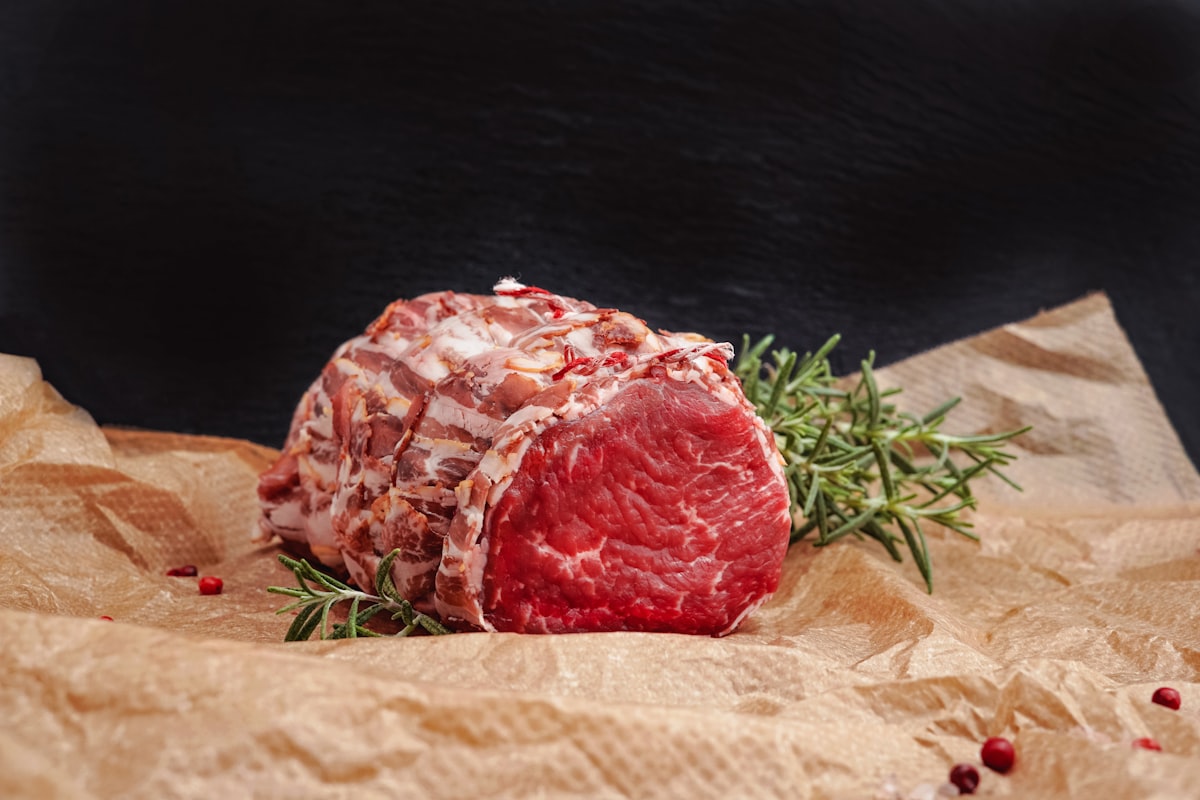
The most expensive piece of beef most people ever buy, and it is usually overcooked by exactly one step.
A large roast carries on cooking after it comes out — the outside is far hotter than the centre, and that heat keeps moving inwards for the whole rest. On a four-rib joint the middle climbs another 5 to 8°C on the counter. Take it out at your target and it arrives at the table one doneness past where you wanted it.
For medium-rare, pull it at 48–50°C and let it rest to 55°C. There is no way to judge this by time or by colour, and a probe thermometer costs less than the meat.
Jump to the recipe ↓Ina Garten-Inspired Prime Rib Roast
Serves 8 · Main
- Prep
- 20 min
- Cook
- 2 hr
- Total
- 3 hr
Involved8 steps, a technique that commonly fails, over two hours
Ingredients
- 4-rib beef rib roast, about 4 kg, bones cut and tied back
- 3 tbsp kosher salt
- 2 tbsp coarse black pepper
- 6 garlic cloves, crushed
- 2 tbsp Dijon mustard
- 3 sprigs rosemary, chopped
- 2 tbsp olive oil
Method
- Salt the roast all over and refrigerate uncovered.24 hours
- Take it out before cooking. A fridge-cold centre will not reach temperature evenly.3 hours
- Heat the oven to 230°C (210°C fan).
- Mix the pepper, garlic, mustard, rosemary and oil and coat the fat side.
- Roast at high heat to set the crust.20 minutes
- Drop to 160°C and continue until the centre reads 48–50°C — roughly, but go by the probe.90 minutes
- Rest , loosely tented. It will climb to about 55°C.30 minutes
- Cut the string, lift the bones away, and carve across the joint.
The bones are the roasting rack
Ask the butcher to cut the rib bones free and tie them back on. They insulate the underside, hold the joint off the pan so the base does not stew, and come away in one piece when you cut the string. You get the benefit of bone-in cooking and a boneless roast to carve.
Salt it a day early
Salt on the surface draws moisture out, dissolves, and is drawn back in carrying seasoning with it. Twenty-four hours uncovered in the fridge seasons the meat properly and dries the surface, which is the only way to get a hard crust on something this wet. An hour before cooking does neither.
Where to put the probe
Into the thickest part, from the end, angled towards the centre — and not touching a bone. Bone conducts heat faster than meat and will read high, which is the other common way a rib roast gets pulled too late.
Storing
Three days refrigerated. Do not reheat slices in an oven; they go grey. Either eat them cold and rare, or warm them for seconds in hot gravy.
Questions people ask
What temperature for medium-rare?
Pull at 48–50°C and rest to about 55°C. For medium, pull at 54°C.
Why take it out of the fridge so early?
A cold centre makes the outer inches overcook while the middle catches up. Three hours on the counter for a joint this size is not excessive.
Do I need a thermometer?
Yes. Time-per-kilo tables cannot account for the shape of the joint or the starting temperature.
Should I sear it at the start or the end?
Either works. Starting hot, as here, is simpler; the reverse — low first, blast at the end — gives a more even interior if you have the time.
More like this
 Ina Garten-Inspired Beef Bourguignon: Garnish ApartThe onions and mushrooms are cooked separately and added at the end. Simmered in from the start they are what turns it into ordinary stew.
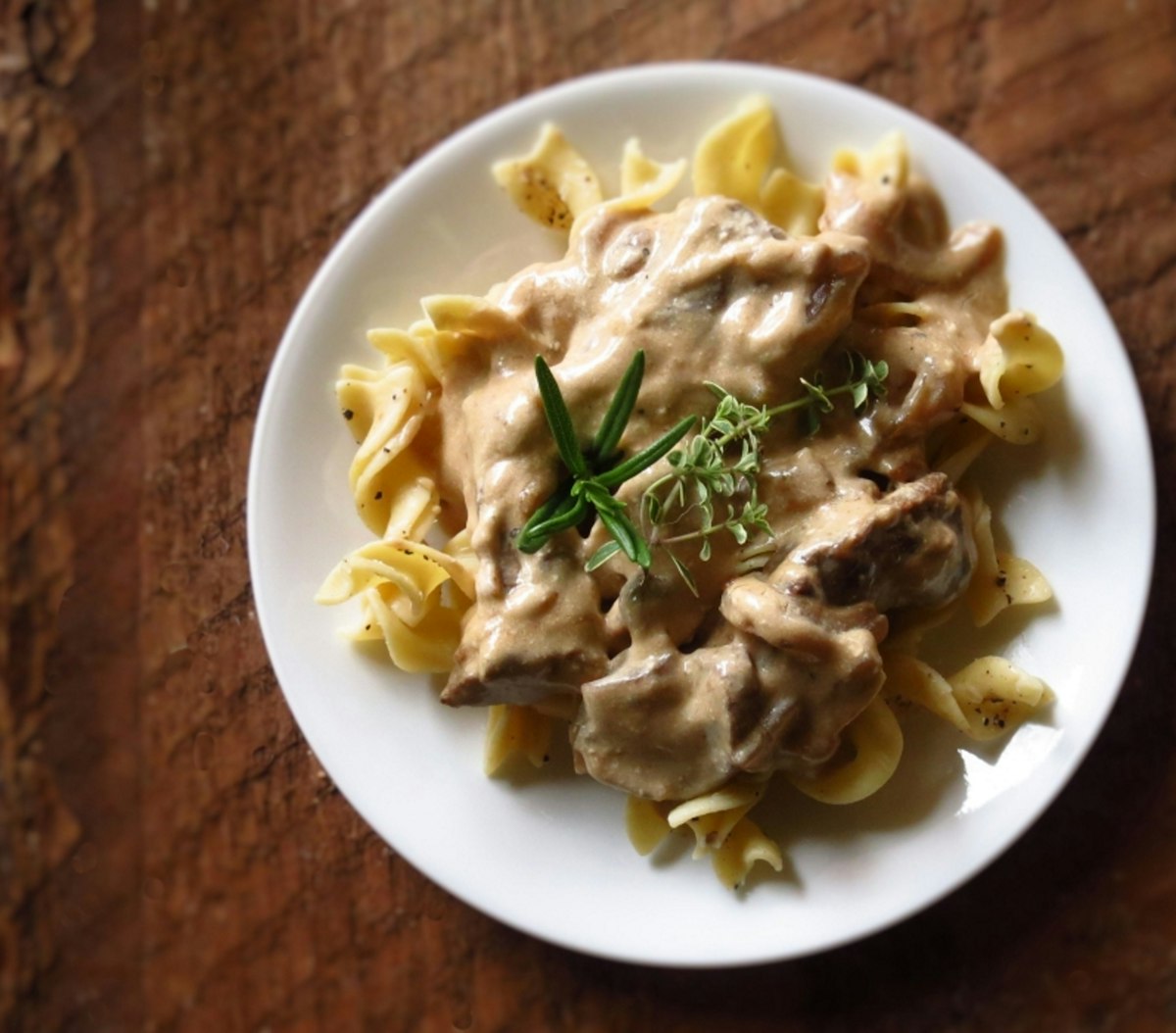 Ina Garten-Inspired Beef Stroganoff: Not Stewing SteakStroganoff is a fast dish and stewing beef needs hours. Use fillet or sirloin, seared in seconds, or it turns grey and tough.
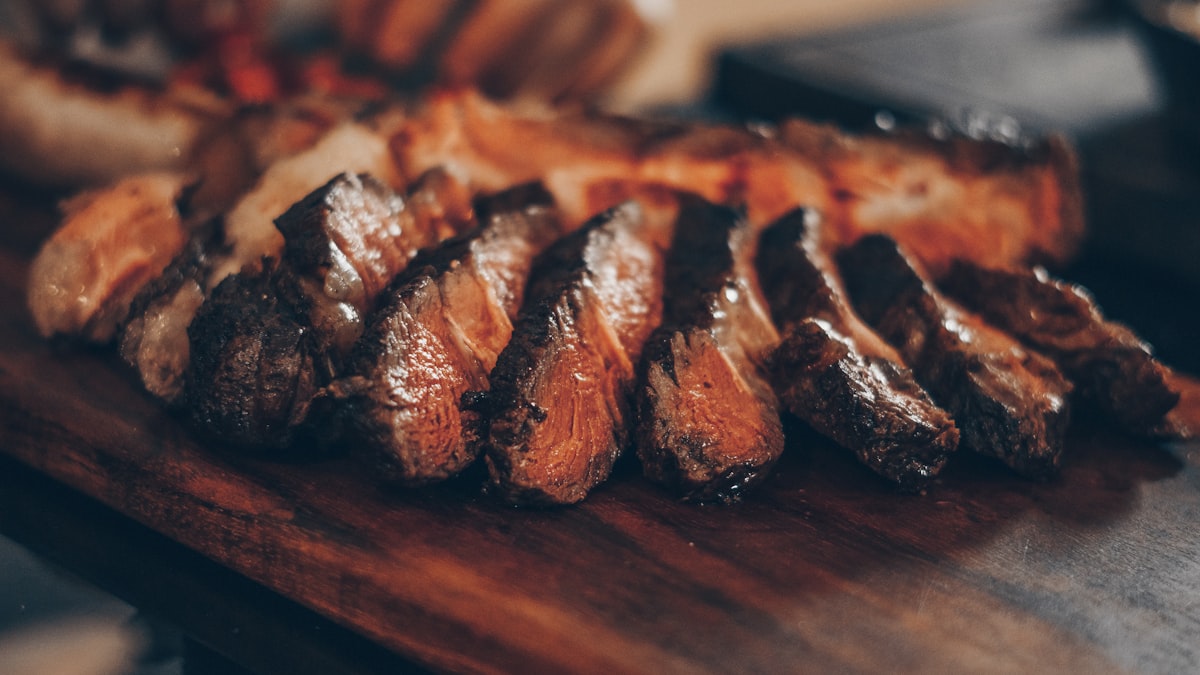 Ina Garten-Inspired Beef Tenderloin: Tuck the TailA whole tenderloin tapers from thick to thin. Fold the narrow end under and tie it, or that end is well done before the middle is warm.