Ina Garten-Inspired Mustard Chicken Thighs
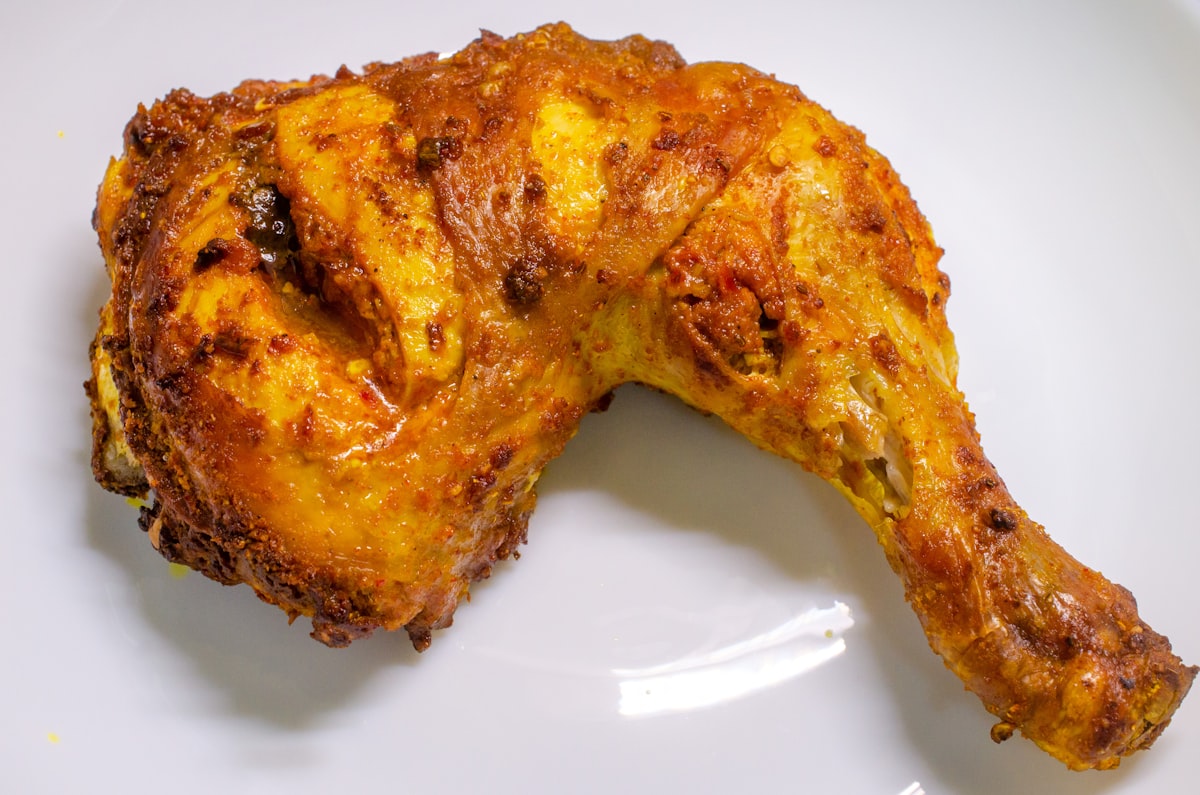
If you have made mustard chicken and wondered where the mustard went, this is why.
The pungency in Dijon comes from volatile compounds that break down with heat. Mustard used only as a marinade contributes body, colour and a little acidity to the finished dish — but the sharpness that made you reach for the jar is gone within twenty minutes in the oven.
So it goes in twice. Half at the start, for the crust and the browning. Half whisked into the sauce off the heat, for the flavour you actually wanted.
Jump to the recipe ↓Ina Garten-Inspired Mustard Chicken Thighs
Serves 6 · Main
- Prep
- 15 min
- Cook
- 40 min
- Total
- 55 min
Involved8 steps, 10 ingredients, a technique that commonly fails
Ingredients
- 8 bone-in, skin-on chicken thighs
- 3 tbsp Dijon mustard, divided
- 1 tbsp wholegrain mustard
- 2 tsp kosher salt
- 1 tsp black pepper
- 3 garlic cloves, sliced
- 150 ml dry white wine
- 200 ml chicken stock
- 100 ml double cream
- 2 sprigs thyme
Method
- Pat the thighs completely dry. Salt and pepper them all over.
- Rub half the Dijon and all the wholegrain mustard onto the flesh side only.
- Start them skin-side down in a cold, dry pan over medium heat. Render , undisturbed, until the skin is deep gold.12–15 minutes
- Turn, and transfer the pan to a 200°C oven for .20 minutes
- Lift the chicken out. Pour off all but a tablespoon of fat.
- Soften the garlic, add the wine and reduce by half. Add stock, cream and thyme, and simmer to a coating consistency.
- Off the heat, whisk in the remaining Dijon. Do not let it boil again.
- Return the chicken to the pan, skin up, and serve.
Dry skin or no crust
Mustard is wet, and wet skin steams. Pat the thighs bone dry, salt them, and let them sit uncovered in the fridge for an hour if you have one. The marinade goes on the flesh side and the underside — the skin stays as dry as you can keep it.
Skin-side down in a cold pan
Chicken skin renders better if it warms up with the pan rather than hitting hot metal. Start it cold, over medium, and the fat has time to melt out before the skin sets. You get a thinner, crisper skin and a tablespoon of rendered fat to build the sauce on.
Why the sauce must not boil after the mustard
Boiling mustard drives off exactly what you just added, and it can also make the sauce grainy — the emulsifiers in Dijon break under a hard simmer. Off the heat, whisked in, it stays smooth and sharp.
Storing
Three days in the fridge. Reheat the chicken uncovered at 180°C so the skin recovers, and warm the sauce separately without boiling it.
Questions people ask
Can I use chicken breasts?
They dry out over this timing. If you must, use bone-in breasts and pull them at an internal 68°C.
Why add mustard twice?
Heat destroys the sharp compounds. The first addition gives colour and body, the second gives the flavour.
Can I leave out the cream?
Yes. Reduce the stock a little further and finish with a knob of cold butter instead.
Does the wine matter?
Anything dry and unoaked. A heavily oaked white turns bitter when reduced.
More like this
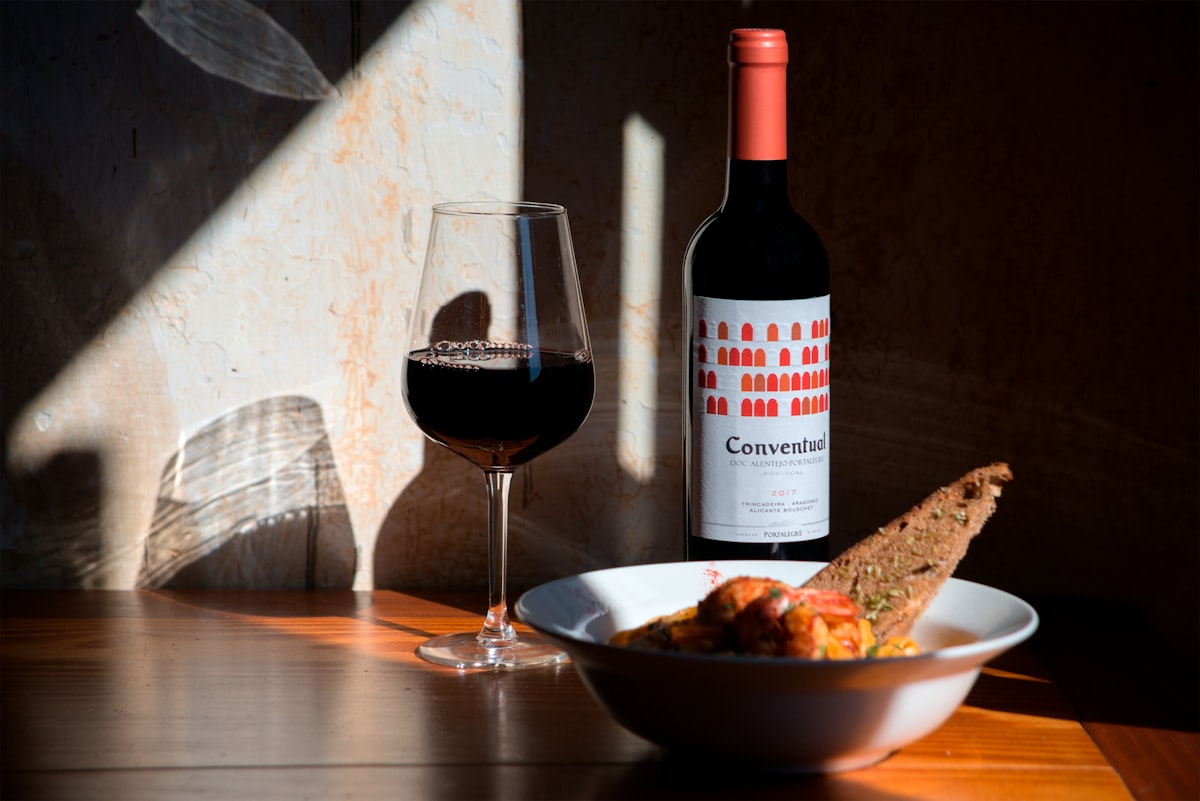 Ina Garten-Inspired Beef Bourguignon: Garnish ApartThe onions and mushrooms are cooked separately and added at the end. Simmered in from the start they are what turns it into ordinary stew.
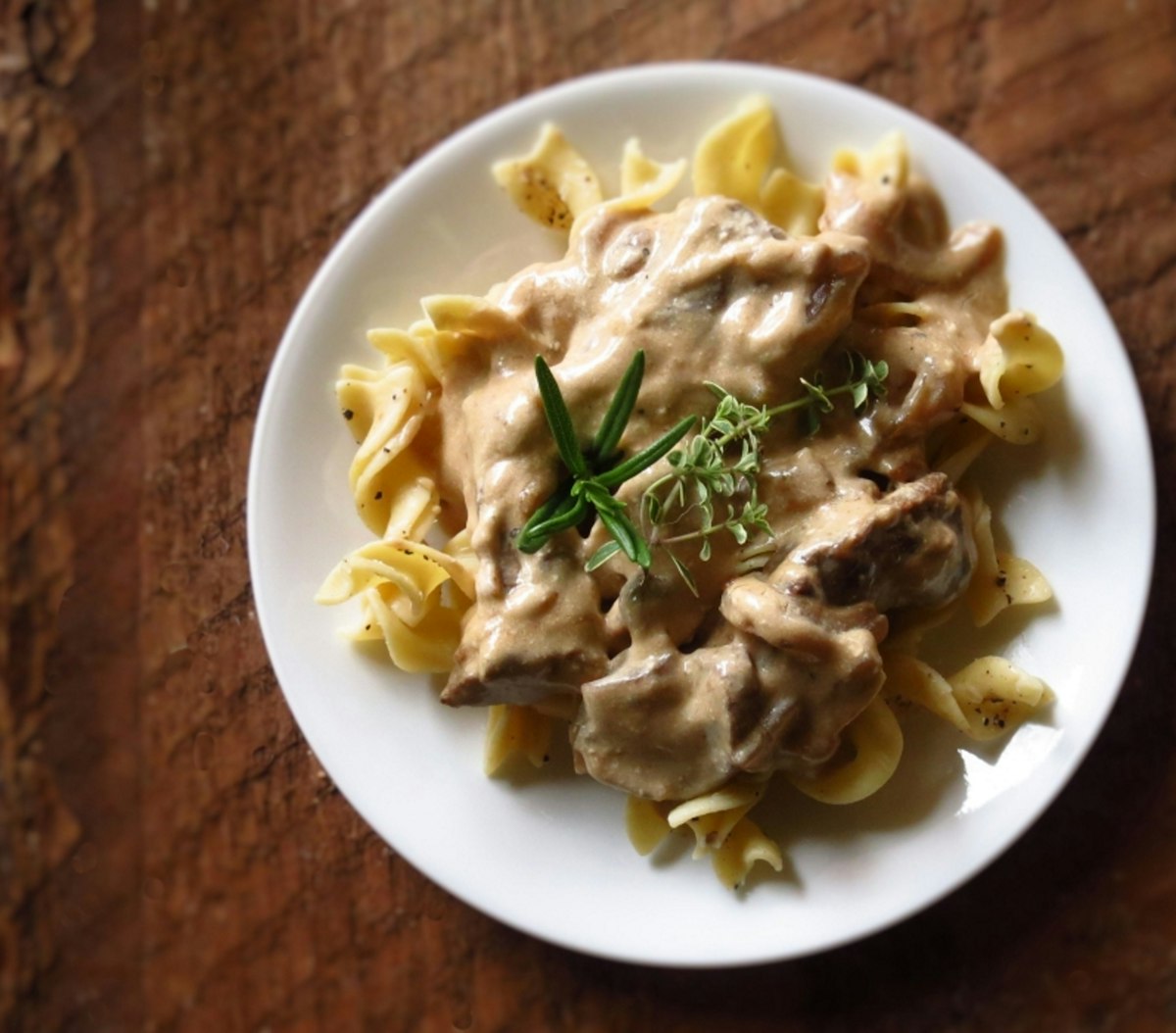 Ina Garten-Inspired Beef Stroganoff: Not Stewing SteakStroganoff is a fast dish and stewing beef needs hours. Use fillet or sirloin, seared in seconds, or it turns grey and tough.
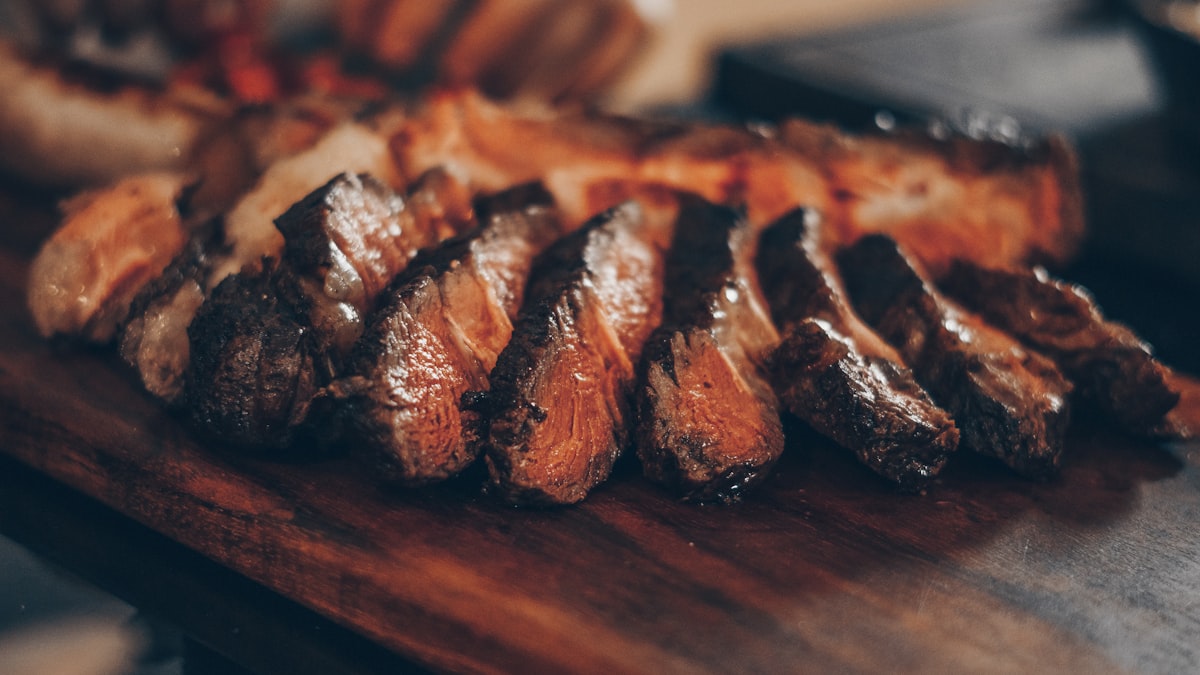 Ina Garten-Inspired Beef Tenderloin: Tuck the TailA whole tenderloin tapers from thick to thin. Fold the narrow end under and tie it, or that end is well done before the middle is warm.